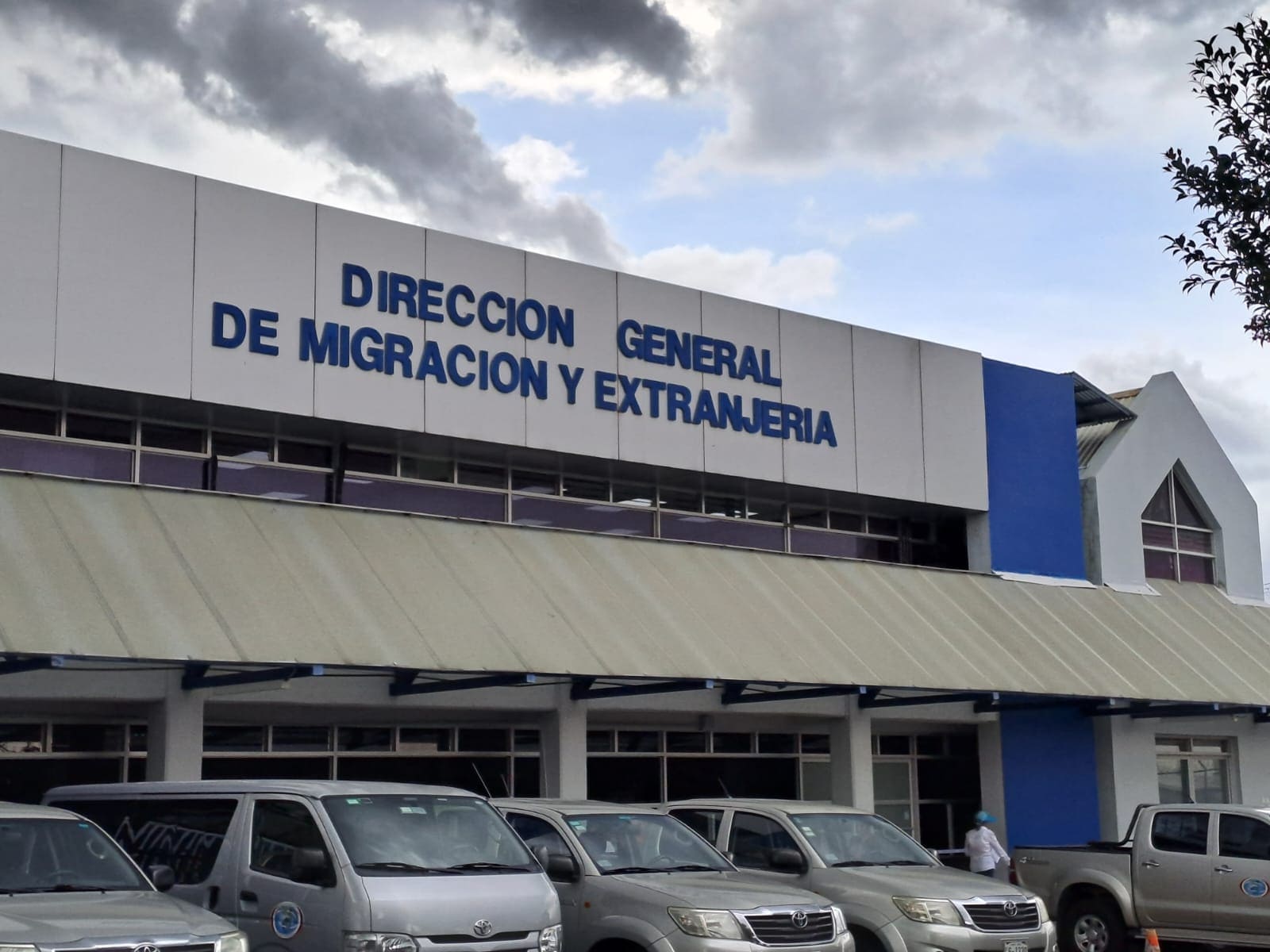



Processing a Costa Rican residency application takes 18 to 24 months after filing, and no firm can compress that queue. What you can control is everything around it. A small set of predictable mistakes adds months on top of that baseline: documents that expire mid-process, deposits not made in time, tax obligations left unmet, an apostille that was never available in the first place, a missed social security enrollment, and leaving the country without an exit stamp.
Each one is described below, with what it costs you in time.
Where does the time actually go?
| Stage | What happens | Typical range |
| Document assembly | Birth certificate, criminal records, income or investment proof obtained in your home country, then apostilled and officially translated | Client handles document assembly 4-8 weeks. Vendor handles document assembly 3-4 weeks. |
| Filing | Application submitted to DGME after document assembly | 2-4 weeks |
| Review | Immigration examines the file and may issue prevenciones — formal requests for correction | 18-24 months |
| Post-approval | CCSS appointment, enrollment and fee payment after receiving approval resolution | 1 week |
| DIMEX issuance | Physical card issued | 4-12 weeks |
The stage most applicants underestimate is the first one, and it is the only one they fully control. You cannot compress Immigration's review. What you can control is everything around it and mistakes there add months on top of a process that is already long. Each avoidable error below costs weeks or months beyond the queue.
Why do documents get rejected?
Your country may not issue apostilles. The apostille route only exists for parties to the Hague Convention. If you are from a non-member country, you need consular legalization instead, which is a different and usually slower process. Confirm this before you request anything. Byclicking this link you can confirm if your country is part of the Hague Convention. https://www.hcch.net/en/states/hcch-members.
Documents expire. Foreign documents carry validity windows, so the timing of when you request them matters. Your counsel should guide you on the correct timing to request your documents. A criminal record obtained too early can expire while the rest of the file is still being assembled, and you pay for it twice.
Translations must be official. Foreign-issued documents generally require apostille or legalization and, where applicable, an official Spanish translation. A translation done by a bilingual friend, an AI engine, or an online service is not accepted. The Ministry of Foreign Affairs in Costa Rica has a list of official translators. Click this link to check the official list: https://www.rree.go.cr/?sec=servicios&cat=traductores.
The practical rule: assemble every document in a single window rather than one at a time and coordinate the filing so documents stay valid and current.
What is the CCSS step, and why does it surprise people?
Temporary residents in the pensionado, rentista, and inversionista categories must enroll in the Caja Costarricense de Seguro Social before the residency card is issued. Enrollment is mandatory, and failure to enroll can result in suspension or in the card simply not being delivered. This is a link from the Caja Costarricense de Seguro Social on the enrollment subject and requirements: https://www.ccss.sa.cr/aseguramiento.
Two things applicants routinely get wrong:
Enrollment is mandatory even if you already carry private international insurance. It is not an either/or.
The cost is not trivial and is not published as a fixed fee. Contributions are calculated individually based on the particular study made for their case and are applied a percentage established by the Board of Caja Costarricense de Seguro Social over the income you declared for your residency category. No single official table publishes an exact monthly premium per category. Reported ranges give an order of magnitude: pensionado residents at the minimum declared income typically pay roughly USD 120 to 140 per month, while rentista and inversionista residents, with higher income floors, pay roughly USD 300 to 350. Budget for this before you file, not after you are approved.
The mistakes that can cancel your application outright
Not obtaining the DIMEX within 90 days after the approval resolution has been issued by Immigration can result in a cancelation of your approval. Additionally, according to resolution DJUR-0198-04-2026-JM issued by Immigration, if a DIMEX renewal, duplicate or first time issuance was filed and a notice has been sent that it was issued, your immigration category can be canceled after six months. A list with canceled immigration statuses will be published and if your name is on the list, your immigration status has been canceled. https://migracion.go.cr/dimex/
What has recently gotten faster
Under Resolution DJUR-0045-02-2026, designated Banco de Costa Rica service points now function as full-service immigration hubs able to issue physical DIMEX cards the same day, which has substantially reduced what was previously a four-month card-printing backlog. Appointments should be scheduled one to two weeks ahead, as slots fill quickly. https://migracion.go.cr/wp-content/uploads/2026/02/Resolucion-DJUR%E2%80%910045%E2%80%9102%E2%80%912026%E2%80%91JM-Medidas-Administrativas-emision-DIMEX.pdf
This matters when comparing timelines you read online: a figure published before March 2026 may include a backlog that no longer exists.
What you cannot control
As of early 2026, DGME has been experiencing processing delays in certain categories. Review time varies with category and with the volume of applications in queue at the time you file. No firm can compress this stage, and any firm that promises a specific approval date is describing a hope rather than a procedure. This has been covered in the media. https://genteopa.com/central/defensoria-alerta-atrasos-migracion-tramites-pendientes/
What a firm can control is whether your file arrives complete, whether prevenciones are answered promptly, and whether you are told the truth about where things stand.
What happens after you are approved?
The principal temporary categories — pensionado, rentista, and inversionista — are granted for two years and are renewable, and permanent residency becomes available after three years of continuous legal residence. Maintaining status requires a minimum physical presence in Costa Rica of one day per year confirmed by a stamp in the entry official document.
One renewal rule catches families: dependent family members cannot renew their DIMEX until the primary applicant's renewal has been approved. Sequence the renewals accordingly.
--------------------------------------------------------------------------------------------------
Last updated: September 12, 2026. Written by Gonzalo Rojas Benavides, founding partner, Colegio de Abogados de Costa Rica No. 17310. E-mail: grb@quatro.legal
This page describes general residency procedure in Costa Rica and is not legal advice. Immigration requirements, contribution amounts and processing times change. Confirm current requirements with the Dirección General de Migración y Extranjería before relying on anything here.


Disclaimer: The information provided in this resource is for general informational purposes only and is not intended to constitute legal advice. While we strive to ensure the accuracy and timeliness of the content, laws and regulations are subject to change. For the most accurate and up-to-date information, please contact our office directly. Some images may be AI generated.