


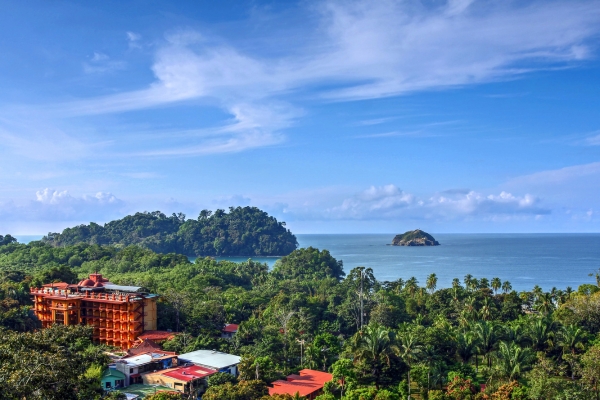
Have you ever heard about protected areas in Costa Rica? In this blog, we will explore what protected areas are, focusing specifically on the Quepos region, and what types of projects can be carried out near these areas under the country’s environmental regulations.
What Are Protected Areas?
Protected areas are zones designated to conserve ecosystems, flora, fauna, and natural resources, ensuring their sustainability. In Costa Rica, these areas are regulated by a legal framework that includes:
Organic Law of the Environment: This law provides tools to protect a healthy and balanced environment, considering the country’s rich natural heritage.
Biodiversity Law: Promotes the conservation and sustainable use of biodiversity by integrating these principles into national policies and ensuring public participation.
National System of Conservation Areas (SINAC): SINAC coordinates the management of natural resources through policies and plans, covering forestry, wildlife, and protected areas.
Categories of Protected Areas
The Ministry of Environment and Energy (MINAE), in collaboration with SINAC, classifies protected areas into various categories. However, in the Quepos region and its surroundings, the following categories prevail:
- Protective Zones
- National Parks
- National Wildlife Refuges
- Wetlands
Each category has specific regulations that govern the activities and projects permitted in their vicinity.
Projects Permitted in Protected Areas of Quepos
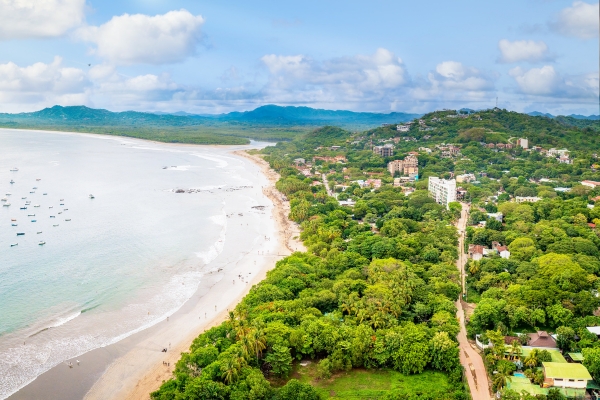
In areas near protected zones, such as those surrounding Quepos, projects can be authorized provided they comply with strict environmental regulations. Examples of allowed projects include: Sustainable tourism developments and activities that align with conservation principles.
Requirements for Project Authorization
To gain approval, a project must meet the following criteria:
1. Environmental Impact Assessment (EIA).
2. Compliance with Zoning Plans.
3. Buffer Zone Distance Compliance.
4. Institutional Permits.
5. Conservation and Mitigation Measures.
6. Adherence to Environmental Laws.
The protected areas of Costa Rica, including those in the Quepos region, play a crucial role in preserving biodiversity and natural resources. However, sustainable development is possible under strict environmental regulations. If you plan to undertake a project near these areas, ensure that you meet all legal and technical requirements to safeguard the unique natural environment characteristic of the region and the country.
For more information, please write to Sofia Arroyo at sac@quatro.legal.


Disclaimer: The information provided in this resource is for general informational purposes only and is not intended to constitute legal advice. While we strive to ensure the accuracy and timeliness of the content, laws and regulations are subject to change. For the most accurate and up-to-date information, please contact our office directly. Some images may be AI generated.